Tips to Improve Your Sleep Routine
Why Your Sleep Routine Matters More Than You Think
You lie awake at 2:17 AM, mind spinning through tomorrow’s tasks and yesterday’s worries, dreading the fog of fatigue you know is coming. This nightly battle feels deeply personal. But imagine the opposite: you settle into bed, drift off within minutes, and wake naturally feeling genuinely refreshed. This transformation comes from mastering one foundational system: your sleep routine. It’s the most effective upgrade you can make for sustained energy, mental clarity, and long-term health.
Building Your Sleep Sanctuary: The Physical Foundation
Your bedroom is the hardware of your sleep system. Optimizing this space creates the conditions your body needs to rest effectively. Think of it as engineering a personal sleep cave, cool, dark, and quiet, designed specifically for biological restoration.
Your Bed and Bedding
Your mattress and pillows are primary tools for quality sleep. Research shows that medium-firm mattresses (rated 5 to 6.5 on a 10-point firmness scale) work well for most people, promoting both comfort and spinal alignment. However, the best mattress for you depends on your sleep position, body weight, and personal preference. Side sleepers typically need more cushioning for shoulders and hips, while back and stomach sleepers often benefit from firmer support.
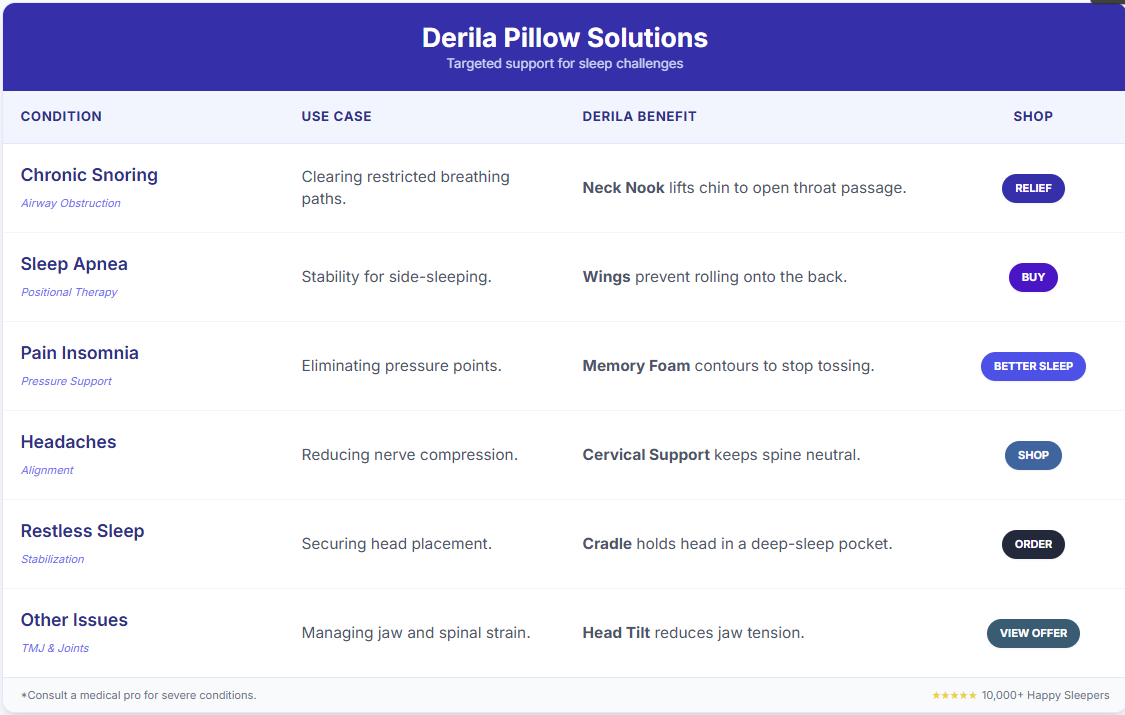
Choose pillows based on how you sleep. Side sleepers need fuller, more supportive pillows to keep the neck aligned, while back sleepers do better with thinner options. For bedding, natural fibers like cotton or linen regulate temperature better than synthetic materials, helping you stay comfortable through the night.
Location and Atmosphere
Your bedroom should signal one thing: rest. Remove work materials, televisions, and clutter. This dedicated purpose helps your brain associate the space with sleep. Arrange your bed so you can move freely around it. Keep the space minimalist and calm.
Controlling Your Environment
Managing light, sound, and temperature dramatically improves sleep quality. Here’s what works:
Light Control: Blackout curtains or a sleep mask are essential. Even small amounts of light, as dim as 8 lux (about twice the brightness of a night light), can suppress melatonin production and disrupt your circadian rhythm. Block out streetlamps, electronics, and early morning sun.
Sound Management: A white noise machine or earplugs create an auditory blanket that masks inconsistent noises like traffic, neighbors, or a partner’s snoring. Consistent low-frequency sound often works better than complete silence.
Temperature: Your body needs to drop its core temperature to fall asleep. Keep your bedroom between 60 to 67 degrees Fahrenheit (15.6 to 19.4 degrees Celsius). This often-overlooked factor is critical. If you’re over 65, you may sleep better in slightly warmer conditions, around 68 to 72 degrees. Use a programmable thermostat, breathable bedding, and consider a cooling mattress pad if you run hot.
The Core System: Commanding Your Sleep-Wake Cycle
With your environment optimized, the next step is programming your daily rhythms. Sleep is a biological system governed by your circadian clock. Your routine keeps it running smoothly.
The Anchor: Consistency Is Everything
Your most powerful tool is a fixed wake-up time and bedtime. Stick to this schedule every day, including weekends. Irregular sleep schedules create social jetlag, confusing your internal clock and degrading sleep quality. Your body craves predictability. Give it that.
The Wind-Down Protocol: Signaling Sleep Mode
Your brain needs a transition period, not an abrupt shutdown. Start a 60-minute pre-sleep ritual. Begin with a digital sunset by turning off all screens. Blue light from devices (wavelength 446 to 477 nanometers) powerfully suppresses melatonin and signals wakefulness. Research shows blue light suppresses melatonin twice as long as other wavelengths and shifts circadian rhythms by up to three hours.
After screens are off, use dim, warm lighting. Engage in calming activities: read a physical book, practice gentle stretching, or take a warm shower or bath. A warm bath taken one to two hours before bed actually helps you fall asleep faster. The warm water brings blood to your skin surface, and when you step out, your body releases that heat, cooling your core temperature and triggering sleepiness. Water temperature around 104 to 109 degrees Fahrenheit for 10 to 30 minutes works best.
The Morning Reset: Solidifying Your Rhythm
How you wake sets the stage for the next night. Within 30 minutes of your fixed wake-up time, get bright light exposure. Spend 10 to 15 minutes in morning sunlight if possible. This stops melatonin production and resets your circadian clock with a clear daytime signal. Skip the snooze button. Fragmented, low-quality sleep from hitting snooze deepens grogginess and weakens your rhythm.
Advanced Practices: Shaping Your Entire Day for Better Sleep
True mastery extends beyond nighttime routines into how you structure your whole day.
Daytime Preparation: Setting the Stage
Your daytime choices are pre-sleep commands. Establish a caffeine curfew. Caffeine has a half-life of four to six hours, meaning half of what you consume at 2 PM is still in your system at 8 PM. It blocks adenosine receptors, preventing the natural buildup of sleepiness. Most sleep experts recommend no caffeine after 2 PM, though some people need to stop even earlier. If you feel tired the next morning despite eight hours in bed, try cutting off caffeine earlier in the day.
Get bright light during the day, especially in the afternoon. This reinforces your circadian drive. Time your exercise wisely. Physical activity improves sleep, but finishing intense workouts at least one to two hours before bed is important. Recent research suggests ending vigorous exercise at least four hours before bedtime may be even better, as it allows your core body temperature and arousal levels to fully decrease.
Food and Hydration: Strategic Evening Choices
Avoid heavy, rich meals within three hours of bedtime. Digestion competes with sleep processes and can cause discomfort. Understand the trap of alcohol. While it may help you fall asleep initially, alcohol severely disrupts the second half of your sleep. It suppresses REM sleep early in the night, then causes increased wakefulness and fragmented, lower-quality sleep later as your body metabolizes it.
Hydrate well throughout the day, but taper your water intake one to two hours before bed. This minimizes disruptive nighttime bathroom trips while keeping you properly hydrated.
Mental Strategies for Better Sleep
If anxiety keeps you awake, try a worry journal. About 30 minutes before your wind-down, write down everything on your mind and a possible next step for each concern. This gets worries out of your head and onto paper.
If you find yourself awake in bed, use the 15-minute rule: if you haven’t fallen asleep or feel restless after 15 minutes, get up. Go to a dimly lit room and do something quiet like reading until you feel genuinely sleepy. This breaks the frustrating association between your bed and being awake.
Managing Disruptions: Your Defense Plan
The best sleepers are proactive, not reactive. Your primary defense is consistent sleep hygiene: the steady application of your sanctuary rules and daily rhythm. When challenges emerge, have a tiered response.
Prevention: Your First Line
Your consistent routine is your immunity. A cool, dark, quiet bedroom prevents most disturbances. Managing daytime stress through movement, time outdoors, or mindfulness prevents it from hijacking your night. View consistency as your protective shield.
When Sleep Won’t Come: The Response Plan
Follow this sequence when stuck awake:
- Disengage: Get out of bed immediately. Don’t lie there frustrated.
- Reset: In dim light, do a quiet activity like reading something dull or listening to calm music. Avoid screens.
- Calm: Use brief deep breathing or a guided meditation to lower your arousal.
- Redirect: Don’t watch the clock. Only return to bed when you feel genuinely sleepy, not just tired.
Your 7-Day Sleep Reset
This practical plan helps you build better sleep habits progressively:
Days 1 to 2: Foundation Set your non-negotiable wake-up time and bedtime. Stick to it exactly. Audit your bedroom: eliminate light leaks, get blackout curtains or a sleep mask, set up white noise if needed, and adjust your thermostat to 65 degrees. Focus on environment and schedule.
Days 3 to 4: Building Rituals Start your 60-minute wind-down protocol with a digital sunset. Begin your worry journal practice. If you’re awake for more than 15 minutes, practice getting out of bed. This phase is about programming new sleep-supportive habits and breaking old associations.
Days 5 to 7: Integration Enforce your caffeine curfoff (nothing after 2 PM). Optimize your exercise timing, finishing workouts at least one to two hours before bed. Adjust dinner size and timing to avoid eating heavy meals within three hours of bedtime. Practice morning light exposure right after waking. You’re now aligning your entire day to support your sleep.
The Transformation: A Life Changed
A strong sleep routine isn’t about rigid rules. It’s about creating a predictable, supportive system that respects your biology. The transformation is real. You’ll notice steady energy that carries you through afternoons without crashing. You’ll experience mental clarity that makes problems easier to solve. You’ll build resilience that handles daily stress better. The simple joy of waking up refreshed, day after day, quietly and powerfully enriches every other part of your life.
Leave a Reply