Sleep Deprivation Effects on the Brain
Sleep Deprivation and Brain Function: Your Manual for Cognitive Optimization
The afternoon slump hits hard. Your colleague’s name vanishes mid-sentence. A small annoyance sparks unexpected irritation. These aren’t just symptoms of a hectic schedule. They’re the tangible consequences of a brain running on empty. This mental friction is what sleep debt costs you. But here’s the opportunity: mastering sleep is the ultimate cognitive upgrade, and it costs nothing. Understanding how sleep deprivation affects your brain isn’t about fear. It’s about unlocking sharper focus, stronger memory, and lasting mental clarity. This is your manual for that upgrade.
Building Your Foundation: Sleep Architecture
Your cognitive potential is constructed every night. Your sleep environment and daily habits form the hardware. Optimizing them creates a solid foundation for neural repair and peak performance.
Creating Your Sleep Sanctuary
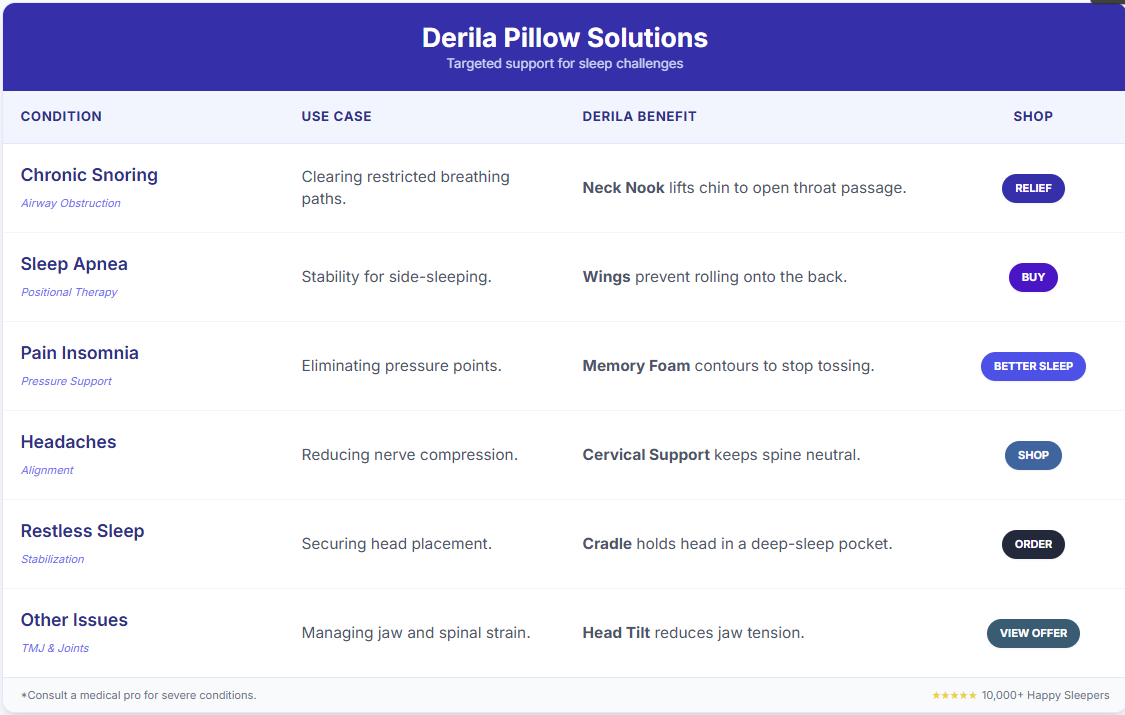
Your bedroom needs to function as a fortress for your brain. Three elements are essential: complete darkness, cool temperature (65 to 68°F or 18 to 20°C), and consistent quiet. These aren’t luxuries. They’re biological signals. Invest in blackout curtains or a quality sleep mask to eliminate melatonin-disrupting light. Use a white noise machine or earplugs to neutralize erratic sounds. View your mattress and pillow as ergonomic tools that must support neutral spinal alignment to prevent micro-awakenings that fragment precious sleep cycles.
The 90-Minute Wind-Down Ritual
Your brain cannot switch from high alert to deep recovery instantly. You need a deliberate transition that lowers core body temperature and calms the nervous system. Begin your digital sunset at least 60 minutes before bed. Blue light from screens significantly suppresses melatonin and delays your circadian clock. Replace scrolling with gentle stretching, reading a physical book, or mindfulness practice. This protocol signals to your amygdala that the environment is safe, allowing the brain’s maintenance processes to begin on schedule.
Managing Your Daily Inputs
What you consume in the afternoon and evening directly programs your night.
Caffeine blocks adenosine receptors, masking sleep pressure. It halts the natural clearance of this sleep-promoting chemical, leading to fragmented deep sleep later. Avoid it after noon to protect your night’s sleep.
Alcohol acts as a sedative that suppresses REM sleep. While it may induce sleep onset, it causes rebound arousal and severely disrupts the memory-consolidating and emotional-processing stages of sleep.
Heavy meals and screens create problems. A large meal diverts energy to digestion, raising core temperature. Screen light suppresses melatonin production, directly confusing the brain’s internal clock and delaying sleep phase.
Understanding Your Brain’s Recovery Cycle
Sleep is not passive rest. It’s an active, dynamic process of neural maintenance, repair, and optimization. Sleep deprivation halts this critical night shift work. To master sleep, you must manage its core phases.
Memory Consolidation During Deep Sleep
The Target: Uninterrupted sleep cycles with deep slow-wave sleep concentrated in the first half of the night.
Consequence of Deprivation: New memories remain as fragile notes in the hippocampus. Without transfer to long-term storage in the cortex, learning becomes inefficient and recall fails.
Control Method: Protect your sleep before midnight. Consistency in bedtime is more critical than duration for anchoring this phase. A regular schedule trains your brain to initiate deep sleep efficiently.
Emotional Regulation During REM Sleep
The Target: Ample REM periods, which grow longer in the second half of the night. This is when the brain processes emotional experiences.
Consequence of Deprivation: The amygdala, your brain’s emotional alarm center, becomes hyperactive. The prefrontal cortex, responsible for rational control, becomes less connected. The result: heightened emotional reactivity, anxiety, and poor stress resilience.
Control Method: Secure full 7 to 9 hour sleep opportunities to reach those later, longer REM periods. Manage daytime cortisol through morning sunlight, exercise, and mindfulness to prevent this stress hormone from encroaching on REM-rich morning sleep.
Metabolic Clearance Through the Glymphatic System
The Target: Efficient flushing of neurotoxic metabolic waste, including beta-amyloid proteins, via the brain’s glymphatic system, which becomes dramatically more active during sleep.
Consequence of Deprivation: Metabolic debris accumulates. This is linked to the pervasive brain fog of tiredness and is a known risk factor for long-term neurological decline.
Control Method: Achieve true, deep slow-wave sleep when the glymphatic system is most active. Research in animal models suggests side-sleeping may optimize this cerebrospinal fluid flow compared to back or stomach sleeping, though human studies are needed to confirm this finding.
Advanced Practices for Neural Performance
Move beyond basic recovery into the realm of cognitive cultivation. These practices fine-tune your neurochemistry for superior sleep quality and daytime alertness.
Strategic Daytime Preparation
View your daytime as preparation for your night. Get bright sunlight exposure within 30 to 60 minutes of waking. This anchors your circadian rhythm, strengthening the signal for melatonin release later. Time exercise strategically: intense workouts are best in the morning or afternoon to raise core temperature and promote a deeper drop at night. Gentle movement like walking in the evening can aid the wind-down process.
Nutrition for Better Sleep
Feed your sleep-wake cycle. Key nutrients like magnesium, found in leafy greens and nuts, and glycine, found in bone broth and collagen, support GABA, a calming neurotransmitter. Time your hydration: ensure adequate intake earlier in the day but taper off one to two hours before bed to minimize sleep-disrupting bathroom trips.
Repaying Sleep Debt
Not all sleep is recovered equally. The brain prioritizes deep slow-wave sleep first. If you’re repaying debt, focus on extending your time in bed earlier to capture that crucial deep sleep. For strategic restoration, a 20-minute power nap before 3 PM can boost alertness without entering deep sleep and causing grogginess. Sleep cycles typically last 90 to 110 minutes, with individual variation ranging from 70 to 120 minutes. A longer nap approaching 90 minutes covers roughly one full cycle, including REM, but requires time to overcome sleep inertia.
Prevention and Recovery Strategies
Adopt a proactive stance. Your sleep schedule is a sacred cognitive asset, not a flexible suggestion.
The Sanctity of Schedule
The unbreakable rule is consistency. Social jetlag, varying your sleep times drastically on weekends, imposes a metabolic and cognitive tax equivalent to traveling across time zones. Treat your wind-down ritual as a non-negotiable appointment with your future self.
Damage Control and Recovery
Identifying the Problem: Acute fatigue feels like heavy eyelids. Chronic sleep deprivation manifests as microsleeps (brief lapses in attention), persistent irritability, cravings for high-sugar foods, and a decline in complex decision-making.
Tiered Response Plan:
- Immediate (One bad night): Hydrate aggressively. Get morning light. Engage in light physical activity. Strictly avoid caffeine after noon to protect the next night’s sleep.
- Short-Term (A poor week): Prioritize sleep opportunity by adding 60 to 90 minutes in bed. Implement a strict digital curfew. Reduce social and cognitive load where possible.
- Chronic (Persistent issues): Seek professional guidance. Cognitive Behavioral Therapy for Insomnia (CBT-I) is the gold-standard, evidence-based intervention to retrain sleep habits and thoughts.
A Seasonal Brain-Care Strategy
Spring: Gradually adjust your wake-up time earlier with the sun. Audit your sleep schedule for consistency. Focus on circadian alignment with increasing daylight and reinforcing a stable rhythm after winter.
Summer: Defend against late social light exposure. Use blackout solutions effectively. Manage bedroom temperature. Protect sleep duration and quality from extended evening activity and heat.
Fall: Prepare for the end of Daylight Saving Time. Conduct a stressor inventory. Re-institute strict wind-down rituals. Minimize the circadian disruption of time changes and fortify routines as days shorten.
Winter: Maximize morning light exposure. Consider a light therapy lamp if needed. Overhaul the sleep environment for optimal darkness and comfort. Combat Seasonal Affective Disorder symptoms and optimize sleep for long, cold nights.
The Transformation
The core principle is non-negotiable: sleep is active, essential neural maintenance. This journey transforms your view of sleep from lost time to your most productive cognitive investment. The reward is a resilient, agile mind. You’ll face complex problems with clarity that cuts through noise. You’ll retain precious moments with greater vividness. You’ll navigate emotional currents with stability, not reactivity. This is the profound satisfaction of mastery, a practice that enriches every waking moment by honoring the profound work of the night.
Leave a Reply