Sleep Hygiene Tips: How to Build Habits for Better Rest
Resetting Your Sleep: A Practical System for Consistent, Quality Rest
You lie awake again, mind spinning through tomorrow’s tasks while the clock mocks your efforts. Each sleepless hour compounds the dread. But imagine the opposite: waking naturally, body rested, mind sharp from the first moment. This isn’t fantasy. It’s the result of a deliberate system. Transforming sleep from nightly anxiety into reliable restoration doesn’t require drastic measures. It requires engineering your environment and habits with care. The following approach builds a foundation for consistent, high-quality rest by turning your bedroom into a sanctuary and your routines into automatic pathways to sleep.
Building Your Sleep Foundation
Quality sleep starts with non-negotiable basics. Before refining habits, you need to establish the physical and environmental conditions that make sleep possible.
Creating Your Sleep Environment
Your bedroom serves one purpose: sleep and intimacy. Audit the space using three scientific pillars. First, darkness matters profoundly. Even small amounts of light suppress melatonin by up to 70 percent. Install blackout curtains rather than standard blinds. Second, manage sound. Consistent, low-level white noise masks unpredictable disruptions better than silence in noisy environments. Third, keep it cool. Your core temperature must drop to initiate sleep, making 60 to 67 degrees Fahrenheit ideal for most adults. Those over 65 may sleep better at 68 to 77 degrees.
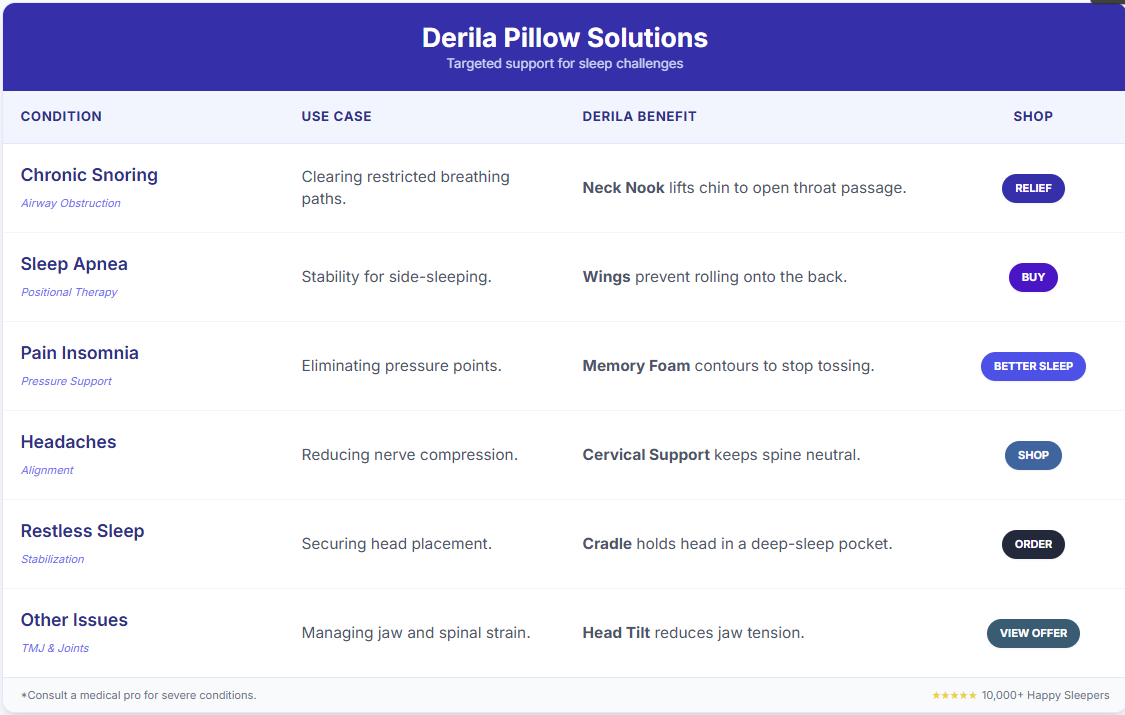
Your mattress and pillow function as performance equipment, not just furniture. A supportive mattress maintains spinal alignment in your natural sleeping position. Choose a pillow that supports your neck based on whether you sleep on your back, side, or stomach. Select breathable bedding made from natural fibers like cotton or linen to help regulate temperature throughout the night.
Establishing Your Wind-Down Routine
Your body cannot shift instantly from alert to asleep. Create a buffer zone of 30 to 90 minutes before bed (60 minutes works well for most people). This ritual signals your nervous system to power down. The most critical element: disconnect from phones, tablets, and computers at least 60 minutes before bed. Blue light from these devices suppresses melatonin and tricks your brain into thinking it’s daytime.
Fill this time with genuinely relaxing activities. Read a physical book under warm lighting. Take a warm bath or shower, which helps trigger the temperature drop needed for sleep. Practice gentle stretching or write in a journal to clear your mind. Avoid stimulating content like work emails, intense TV shows, or heated conversations.
Managing Your Sleep-Wake Rhythm
Sleep operates on biological rhythms governed by light exposure and consistent timing. Master these elements to control the system.
Light Exposure Strategy
Natural light is your most powerful circadian tool. Get 15 to 30 minutes of bright morning sunlight as soon as possible after waking. If natural light isn’t available, use a light therapy lamp (10,000 lux) for 20 to 30 minutes. This exposure anchors your internal clock and promotes evening sleepiness.
As evening approaches, dim overhead lights and switch to lamps with warm bulbs. If you must use screens in the evening, wear blue-light-blocking glasses or enable night mode on devices. The goal is to create a clear light-dark cycle that reinforces your natural sleep-wake pattern.
The Anchor: Consistent Wake Time
This is the single most important habit for sleep regulation. Set one wake time and maintain it every single day, including weekends and after poor sleep nights. Your wake time anchors your entire sleep architecture. Once established, your body will naturally begin feeling sleepy at the appropriate bedtime.
Calculate your target bedtime by counting back 7 to 8 hours from your fixed wake time. Your bedtime may vary slightly based on sleepiness, but your wake time must remain sacred. This consistency is more powerful than any supplement or technique. Recent research shows people with consistent sleep-wake times have up to 48 percent lower mortality risk compared to those with irregular schedules.
Breaking the Frustration Cycle
Create an unbreakable mental link: bed equals sleep. Remove all waking activities from the bedroom. No work, no scrolling, no TV watching. If you’ve been lying awake for about 15 to 20 minutes (don’t watch the clock, just estimate), get out of bed. Go to another room and do something quiet and dull until you feel genuinely sleepy. This might mean folding laundry, reading something boring, or sitting quietly. Avoid anything stimulating.
This practice, called stimulus control, retrains your brain to associate the bed with sleep rather than with frustration and wakefulness. It breaks the anxiety cycle that makes insomnia worse.
Optimizing Daily Inputs
With environment and rhythm established, fine-tune what you put into your body and how you manage your mental state.
Substance Timing Rules
What you consume directly affects your nervous system. Establish a firm caffeine cutoff time 8 to 10 hours before bed (at minimum, 6 hours). Caffeine has a half-life of 4 to 6 hours, meaning half remains in your system long after consumption. If you sleep at 10 PM, your last coffee should be no later than 2 PM, ideally by noon.
Alcohol deserves special caution. While it may make you drowsy initially, it severely fragments sleep quality in the second half of the night, reducing restorative deep sleep and REM sleep. Limit alcohol and keep it away from bedtime.
Avoid large, heavy meals within 3 hours of sleep. Your digestive system working hard makes quality sleep difficult. Manage fluid intake in the evening to minimize nighttime bathroom trips without becoming dehydrated.
Daytime Practices That Support Nighttime Sleep
Regular exercise, particularly in the morning or afternoon, promotes deeper sleep. Avoid vigorous workouts within 2 hours of bedtime, as they can be too stimulating. If you nap, do it strategically: before 3 PM and for no longer than 20 to 30 minutes. Longer or later naps steal pressure from your main sleep drive.
Expose yourself to natural daylight throughout the day whenever possible. This strengthens your circadian rhythm. Take a walk during lunch, work near windows, or spend time outside. The contrast between bright days and dim evenings helps your body know when to be alert and when to rest.
Quieting Mental Noise
A racing mind blocks sleep. Implement a brain dump 30 to 60 minutes before bed by writing down thoughts, worries, and tomorrow’s tasks. This externalizes the mental chatter. To directly calm your nervous system, practice the 4-7-8 breathing technique: inhale quietly through your nose for 4 seconds, hold for 7 seconds, exhale completely through your mouth for 8 seconds. Repeat for four breath cycles. Even five minutes of guided meditation or progressive muscle relaxation can lower stress hormones and prepare you for rest.
Troubleshooting and Getting Help
Build defenses against disruption and know when to seek professional support.
Staying Consistent and Tracking Patterns
Your primary defense is unwavering consistency in your core habits, especially your wake time. This creates resilience against occasional disruptions. Use simple tracking to identify patterns. Log your wake time, bedtime, and sleep quality in a notepad or basic app. Don’t obsess over the numbers, but review weekly to spot triggers. Did late caffeine correlate with poor sleep? Does your Monday sleep suffer after weekend schedule changes?
When Sleep Problems Persist
If you’ve maintained excellent sleep habits for several weeks and still struggle with sleep onset, frequent waking, or unrefreshing sleep, this is valuable data. Don’t view it as failure. Possible culprits include undiagnosed sleep disorders like sleep apnea, restless legs syndrome, or underlying health conditions.
Seek evaluation from a sleep specialist or therapist trained in Cognitive Behavioral Therapy for Insomnia (CBT-I). CBT-I is the first-line treatment for chronic insomnia, recommended by major medical organizations. It’s typically delivered over 4 to 8 sessions and teaches specific strategies to break insomnia patterns. Research shows CBT-I produces better long-term results than sleep medications, with benefits that continue after treatment ends.
Practical Implementation: First 30 Days
Overhauling everything simultaneously leads to failure. Build gradually.
Days 1 to 14: Establish the Anchor
Set and maintain your fixed wake time every single day. No exceptions, even after poor sleep. Begin a 30-minute screen curfew before bed. Optimize your bedroom for darkness using blackout curtains or an eye mask, coolness by adjusting your thermostat to 60 to 67 degrees, and quiet with a white noise machine if needed. Your goal is anchoring your circadian rhythm and establishing your sleep sanctuary.
Days 15 to 30: Build Supporting Habits
Implement a full 60-minute wind-down ritual with relaxing activities. Add morning light exposure within 30 minutes of waking. Apply the 15 to 20 minute rule: get out of bed if you’re lying awake feeling frustrated. Establish caffeine and alcohol cutoff times (caffeine by early afternoon, alcohol limited and not near bedtime). Your goal is strengthening the sleep-wake association and optimizing daytime inputs for nighttime success.
Moving Forward
Sleep improvement is not about achieving perfect eight-hour nights every time. It’s about building a resilient system of habits that makes high-quality rest the default rather than the exception. You move from chaotic nights governed by anxiety to owning a predictable routine. You shift from being at the mercy of your environment to becoming the architect of your own circadian system.
The result echoes through every waking moment: sharper focus, better mood regulation, and profound physical vitality. When sleep problems persist despite strong habits, professional evaluation can identify underlying issues or provide structured treatment through CBT-I. By systematically addressing environment, timing, and habits, you don’t just improve your nights. You fundamentally enhance your entire life.
Leave a Reply